
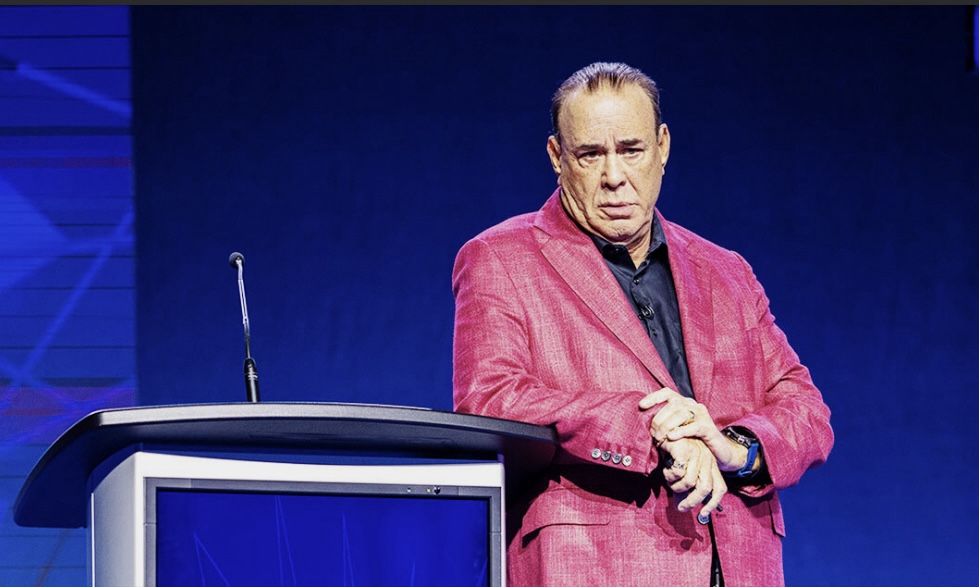
If you’re like me, you’ve watched Jon on Bar Rescue and felt that mix of awe and admiration. He’s more than just a bar-rescuing machine—he’s a force of nature, and the more I watch, the more I realize that he embodies the characteristics of what the late and amazing Fred Kiel called a “Virtuoso CEO.” Jon’s leadership isn’t about saving failing bars; it’s about transforming lives and businesses through rock-solid character. If you’re looking to step up your leadership game or just become a better version of yourself, there’s a lot you can learn from Jon and Fred, like the importance of integrity, responsibility, compassion, and even forgiveness.
Integrity: The Backbone of Success
Let’s start with integrity. I don’t know about you, but I’ve seen Jon walk into some absolute disasters—bars on the brink of collapse with owners in complete denial. What’s Jon do? He calls it like he sees it, no holds barred. That’s integrity. Jon doesn’t beat around the bush or sugarcoat the truth to spare feelings. He knows that the only way to fix a problem, especially in four or five days, is to confront it head-on, even when it’s uncomfortable. Having integrity means you can both handle and tell the truth.
Another aspect of integrity is that your actions match your words. None of that “Do as I say, not as I do” bullshit, and certainly, do not say you are doing everything you can, when what you are doing is sitting at the bar, drinking shots with your friends and bitching about how bad your bartenders are.
Remember “S4E8: Swinging from the Rafters,” the episode with Rob and the Dirty Rooster? The owners were so deep in denial about their situation and Rob’s alcoholism that it was almost painful to watch. But Jon didn’t shy away from the truth. He laid it all out there, raw and real; he even brought in a counselor for co-owner and manager Rob and outside investors to give co-owners Steve and Scott an out because he knows that integrity isn’t about being nice—it’s about being honest and doing the hard things to actually help, if you say you want to help.
If we’re going to be more like Jon, we need to embrace that same level of integrity in our own lives and businesses. The bottom line? Integrity builds trust, and trust is the foundation of any successful venture.
Responsibility: Owning Your Outcomes
I think Jon is basically the spokesperson for No Excuses, the life philosophy that moves a person out of victimhood and into being the hero of their own story, and probably the stories of the people they love and/or support. It’s about tying your actions to outcomes and having the initiative to do your absolute best, change direction if what you are doing isn’t working, or seek help to learn a better way. It’s tied to integrity because one’s words and actions should be aligned, and living by your values requires you to do the work not rely on hopes and prayers that tomorrow will be different without you having to be different.
One of the things I respect most about Jon is his willingness to take ownership of the complete bar and its rescue once he’s there. He doesn’t just drop in, give some advice, and disappear. No, Jon literally rolls up his sleeves and gets in the trenches with the staff and owners. He knows that turning a business around is about more than just a quick fix; it’s about giving people the tools and knowledge they need to succeed long after he’s gone.
Not a lot of people know this, but Jon doesn’t just fix the bars for the moment; he provides life-long access to him for the owners if they want. Several of Jon’s biggest successes, like Spirits on Bourbon and Moonrunners Saloon, openly talk about the continued connection they have with Jon and the continuous help he’s offered them over the years.
Taking responsibility is also about recognizing that what is or is not happening to us is often the result of our own behavior, and even for those things we can’t control, we can choose the way we make sense of them and respond to them. Jon wrote a whole book about this called Don’t Bullsh*t Yourself!: Crush the Excuses that Are Holding You Back. I highly recommend it because it’s a master course in taking accountability. It’s pretty motivating, too.
Learning to take responsibility for your outcomes is a powerful lesson. It means going beyond the surface and investing in the long-term success of those we lead. It’s about more than fixing problems with Band-Aids—it’s about being motivated to create sustainable solutions for yourself and those you lead. When you do that, the payoff is more than just a job well done; it’s lasting success and loyalty.
Compassion: The Key to Tough Love
Jon’s tough, no doubt about it. But underneath that tough exterior is a whole lot of compassion. Yes, he yells. Yes, he gets in people’s faces. But why? Because he cares and knows the owners are depending upon him to really help them. Jon’s passion for helping others succeed is what drives him to push them beyond their comfort zones. His willingness to see the smallest gains as worthy of celebration is inspirational not only to the people on the show but to the viewers at home, too.
Take the “S7E3: Breaking Brandon” episode, for an example of compassion. Jon deals with bar owner, Brandon, who’s been crushed by personal struggles, guilty if he stays home and guilty if he goes to the bar. Jon’s approach is harsh at first—he demands that Brandon confronts his failures as though he is the typical Bar Rescue owner who wanted to own a bar since he was little but never put anything into the journey there, which Brandon kind of did, but then other shit happened, like his mom got MS.
When Jon is hard on Brandon, he takes Brandon to the brink of an emotional breakdown, but then he quits and makes Brandon clean the bar. I remember this episode very clearly because once I knew what was happening in Brandon’s life, I became very empathetic toward him and have trouble watching the reruns because I can only imagine how what Jon said to him crushed his poor spirit even more, although—spoiler—it turns out okay in the end. Jon even talks about this episode in “Chapter Six: To Yell or Not to Yell” in his book, The Power of Conflict.
Not surprisingly, Brandon doesn’t sleep after Jon reams him, so he’s even more of an emotional mess when Jon comes into the next day’s staff meeting. Now, though, Jon’s demeanor is different, much more gentle and concerned. The staff also seem to be gentler on Brandon, and Jon reflects back to everyone what they are saying with both gravity and compassion in his voice, which, I believe, is what makes Brandon break down. I have often seen people keep it together until someone shows them a little compassion—a meaningful inquiry about how they are doing, a touch on the shoulder, a solid bear hug, a little recognition that they’ve been trying as hard as they can even though they are failing miserably—then they lose it.
In this episode in particular, we can see Jon’s approach completely change as he gains new information about the situation. As his understanding of Brandon moves from disengaged owner to a good man in a double bind, he realizes what Brandon needs in the moment is some TLC, and Jon doles it out immediately and emphatically. Jon tells Brandon not to worry, that he, his experts, and the staff have Brandon’s back. Jon sends him home to take a load off by spending time with his family and taking a nap, all guilt free.
Jon knows that real growth can happen when you’re uncomfortable, and he’s willing to make people uncomfortable if it means they’ll come out stronger on the other side. He also knows that compassion is about caring enough to do what’s necessary, no matter if what’s necessary is hard, like challenging an egotistical owner until they start to doubt themselves, or easy, like sending a burnt out owner home to take a guilt free nap while you and your homies cover their shift and finish the to-do list. That kind of compassion not only changes lives—it builds businesses that people want to work for and support.
Forgiveness: A Pathway to Redemption
Finally, let’s talk about forgiveness. We’ve all made mistakes—I know I have—and Jon’s ability to forgive and help others forgive in order to move forward is a crucial part of his success. In the business world, holding onto grudges can be detrimental; it erodes trust and can ruin a team. Jon knows this. He talks about it in the end chapters of his conflict book. That’s probably why he’s willing to broker second chances for folks on Bar Rescue and put the past in the past when people mess up, unless they’re thieves. (IYKYK)
Jon is also very gracious about accepting other people’s apologies, sometimes directly and verbally, sometimes indirectly and nonverbally. My favorites are the ones where people confront Jon with an apology. That’s happened in several episodes, including one of my favorites, “S1E7: Bad to the Bone,” when Bill Rodenhiser directly and verbally apologizes to Jon after a crazy meltdown. It’s a pretty tense moment, but Jon not only accepts Bill’s apology, he “welcomes” it. They shake hands and move on to Bill’s next fit.
Shaking hands often serves as a type of apology—or at least a sign that things are all right between Jon and the owner. So does a pat on the back or a tap on the hand or a squeeze on the shoulder or a hug. Jon has lots of ways of mending things and telling people things between the two of them are okay, so they will trust him again and fully embrace the amazing gift he is giving them.
Another type of forgiveness that occurs in Jon’s world is that the owners Jon takes to task also seem to forgive him for whatever type of dress down he laid on them when they first met since he readily acknowledges this phenomenon with “We started off rough, but now I can call you a friend” or some version thereof. This kind of forgiveness would probably happen so gradually and naturally we wouldn’t notice it if Jon didn’t ask about it at the reveal when he asks how the owner feels about him now. I mean, Jon saved their livelihood, their investment, their child’s college, their parent’s retirement, their marriage, their friendships, their ability to function, all this stuff Jon’s probably done for them, why wouldn’t they automatically forgive and forget—at least until the episode airs on PlutoTV every other Friday until 2087.
It kind of reminds me of the time my good friend knocked my phone out of my hand and down a storm drain and ripped the collar off my shirt, choking me half to death when he stopped me from stepping out into a bus lane in front of a bus that wasn’t stopping. My pride was injured, my neck was cut, my phone headed toward the Gulf of Mexico, and my face exfoliated from the millimeter of air that whooshed between me and the bus. But yes, I forgave my friend instantly because of the immense gratitude I felt. He did it for my own good, and there was no question that the short-term pain was worth the long-term gain. I think that’s probably how Bar Rescue owners feel on launch night.
I’ve also always been stunned by the amazing example Jon provides when he meets Rich Marinacci in “S5E23: Daddy Dearest,” who smacks his son, an employee, upside the head and belittles him. Jon doesn’t let Rich off the hook—he holds him accountable—but he also offers a way forward, saying to him just before the stress test begins, “Just because I’m not thrilled with you doesn’t mean I’m not rooting for you.” Jon’s forgiveness isn’t about excusing bad behavior; it’s about giving people the opportunity to learn from their mistakes and rebuild.
Truly creating an environment where failures are opportunities for growth is a difficult thing, but Jon and his experts show us that teaching people how to do better and giving them the opportunity to succeed is how a path to continued success can start. Being able to clear the air, release any grudges, and build upon everyone’s successes, both big and small and in attitude and behavior, also helps, and forgiveness is at the center of this practice.
Forgiveness isn’t just good for the soul; it’s good for business. It fosters loyalty, encourages growth, and creates an environment where people trust one another and can truly thrive.
Bringing It All Together
So, what can we learn from Jon? If you want to be a Virtuoso CEO—or just a better leader or person—focus on these key areas: integrity, responsibility, compassion, and forgiveness. These aren’t just lofty ideals; they’re practical, actionable qualities that lead to real success. Jon’s proof that being a person of character isn’t just good—it’s good for business. If you’re looking to up your game, start by asking yourself: How can I be more like Jon? How can I lead with integrity, take responsibility, show compassion, and offer forgiveness in this situation? The answers to these questions might just change your life, improve your bottom line, and make you 32.85% more illustrious.
I invite you to consider and share your answers in the Comments: Which of these four aspects of a Virtuoso CEO do you think Jon excels most at?

 In Good Spirits